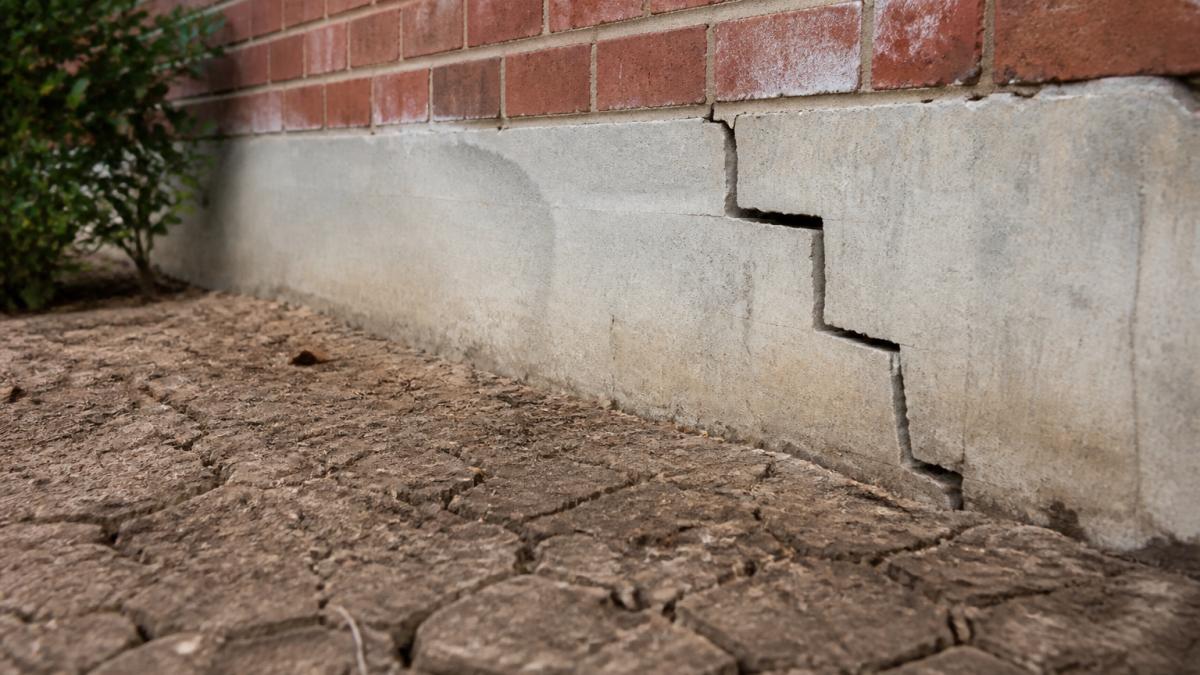
 how-to
Selling a House With Foundation Issues: 2026 Guide
Table of Contents
- How Foundation Issues Affect Your Home Sale
- Foundation Repair Disclosure Requirements: What You Must Tell Buyers
- Selling a House As-Is With Foundation Problems
- How to Find a Foundation Repair Specialist You Can Trust
- Repair Before Selling or Discount the Price?
- Financing, Insurance, and Tax Angles Sellers Miss
- Negotiating With Buyers After a Foundation Inspection
- Frequently Asked Questions
Last Updated: October 1, 2026
How Foundation Issues Affect Your Home Sale
Selling a house with foundation issues starts with one question: will this kill my deal? The short answer is no, but the sale will look different: you either fix the problem or price it in.
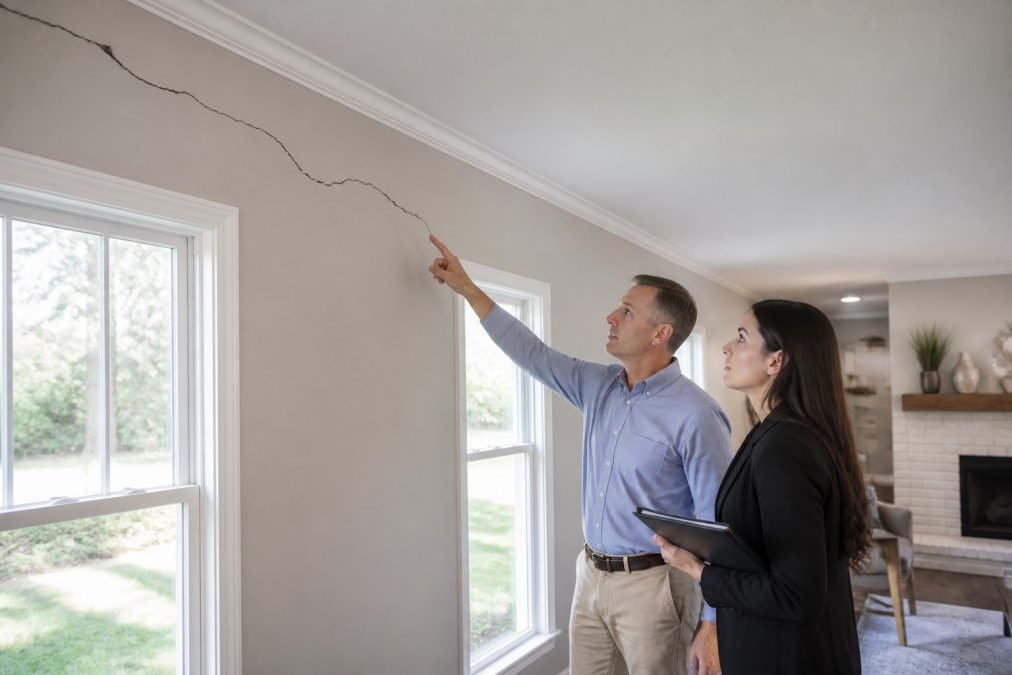
What Buyers See and Fear
A hairline drywall crack is normal in a settled home; a stair-step crack in brick veneer is a different story. Buyers rarely know the difference, so any crack reads as a red flag, and that gap between cosmetic and structural damage is where your sale gets lost.
Here is what buyers typically react to:
- Sticking doors and windows that no longer close cleanly
- Sloping floors you can feel underfoot
- Gaps between brick and window frames
- Cracks wider than a credit card
- Uneven exterior grading or pooling water near the slab
Foundation Repair Disclosure Requirements: What You Must Tell Buyers
Foundation repair disclosure requirements vary by state, but the core principle is simple: you must disclose known material defects. Most states use a standard seller disclosure statement covering the roof, plumbing, and structure, and foundation movement belongs on that form. Some states require a specific foundation disclosure if the home has prior repairs.
State Disclosure Laws and Your Liability
The U.S. Department of Housing and Urban Development disclosure guidance sets the baseline for federal disclosure rules, though foundation specifics fall to state law. Your real estate agent can tell you which form applies to your property.
What you must disclose:
- Any known foundation movement or settlement
- Prior repairs, including piers or underpinning
- Water intrusion or drainage issues you have seen
- Any engineer reports you have received
Selling a House As-Is With Foundation Problems
Selling a house as-is with foundation problems is legal in every state, but it does not erase your disclosure duty. As-is means you will not make repairs, not that you can conceal defects.
| Path | Your Upfront Cost | Time to Close | Typical Price Impact |
|---|---|---|---|
| Repair, then list | Repair cost | Longer | Closer to market value |
| Sell as-is to cash buyer | None | Fast | Larger discount |
| Discount for buyer | None | Medium | Negotiated reduction |
How to Find a Foundation Repair Specialist You Can Trust
Finding a foundation repair specialist starts with verification, not price. Ask for a licensed professional who puts findings in writing. A good specialist measures elevations and checks drainage; a bad one just quotes a repair.
Questions to Ask Before You Hire
Use these questions before you sign anything:
- Are you licensed and insured in this state?
- Will you provide a written engineer report or certification?
- Do you measure elevations, or just eyeball the cracks?
- Is your repair covered by a transferable warranty?
- Can you explain why the movement happened, not just where?
The last question matters most: if a contractor cannot explain the cause, they cannot stop it from returning. Expansive clay soil causes most movement in this region, and drainage is often the root issue.
Repair Before Selling or Discount the Price?
This decision determines whether you walk away with more money or less. The rule of thumb: a documented repair typically returns more at closing than it costs, while an undocumented discount almost always costs more than the repair would have. But that rule breaks down in specific situations.
The Cost-Benefit Math, Step by Step
Run the numbers in this order before you decide:
- Get a written repair estimate. Not a verbal quote. A contractor who measures elevations and specifies pier type, depth, and count gives you a real number.
- Get a written as-is estimate. Ask a cash buyer or an investor-friendly agent what they would pay today, unrepaired. This is your floor.
- Estimate the repaired retail price. Your agent can pull comps for similar homes that sold with a documented, warrantied repair.
- Subtract the repair cost from the repaired price. Compare that figure to the as-is offer.
A common pattern: repaired retail price minus repair cost beats the as-is offer by a meaningful margin, but only when the repair is documented and warrantied. Without paperwork, buyers discount as if the repair never happened.
When Repairing Wins
Repair before listing when all of these are true:
- The issue is structural, not cosmetic
- You have 60 to 90 days before you need to close
- You can fund the repair without a high-interest loan
- You can get a transferable warranty from the contractor
- Your local market favors sellers, so a clean listing commands full price
A stamped engineer report plus a transferable warranty removes the buyer's biggest fear, and fear drives discount demands.
When Discounting Wins
Discount the price and sell as-is when any of these are true:
- You need to close in weeks, not months
- The repair cost exceeds what the market will return
- The foundation issue is cosmetic and a buyer's inspector will likely call it minor
- You cannot fund the repair upfront
- The home has other deferred maintenance that makes a full repair uneconomical
The Middle Path: Credit Instead of Price Cut
You do not have to choose between a full repair and a permanent price reduction. A closing credit is a third option: you fund a set dollar amount at closing, the buyer handles the repair after taking possession, and your list price stays intact for future comps and appraisals. A price cut lowers your sale price forever and drags down your neighbors' comps; a credit is a one-time cost.
The Documentation Multiplier
Two sellers with identical foundations can net very different amounts, and the difference is paperwork. A seller with an engineer's report, elevation readings, a repair scope, and a transferable warranty negotiates from strength; a seller with a crack and a shrug negotiates from fear, theirs and the buyer's. If you do nothing else before listing, get the written assessment.
Financing, Insurance, and Tax Angles Sellers Miss
Most guides stop at the repair decision. The angles that actually kill deals, or save them, are financing, insurance, and taxes, where a foundation issue stops being structural and becomes financial.
FHA and VA Loans: The Appraisal Hurdle
Government-backed loans carry stricter property standards than conventional loans. An FHA or VA appraiser must flag conditions affecting safety, soundness, or structural integrity, so a visible foundation problem, sloping floors, stair-step brick cracks, gaps at window frames, can fail the appraisal outright. When the appraisal fails, the buyer's financing dies and the deal collapses rather than getting renegotiated, the single most common reason a foundation-issue sale falls through late.
What clears the hurdle:
- A written engineer's report stating the foundation is structurally sound, even if cosmetic movement exists
- A completed repair with a transferable warranty and a final engineer certification
- A contractor's letter specifying the scope and confirming the work meets code
Insurance: What Is Actually Covered
Sellers routinely assume their homeowner's policy will pay for foundation repair. Most of the time, it will not.
Standard homeowner policies typically exclude:
- Long-term settlement and gradual soil movement
- Earth movement, including expansive clay soil shifts
- Poor drainage and grading issues that developed over years
- Maintenance-related deterioration
What may be covered:
- Sudden, accidental events, a burst pipe that undermines the slab, a sewer line failure, a one-time plumbing leak
- Damage from a covered peril that directly caused foundation movement
Taxes: Basis, Capital Gains, and What You Can Actually Deduct
For a primary residence you sell, foundation repair costs are generally not deductible as a repair expense. The IRS treats repairs that restore a property to its original condition as non-deductible.
The distinction matters:
- Repair: Restores the foundation to working condition. Not deductible, not added to basis.
- Improvement: Adds value or extends life, for example, a full pier-and-beam replacement with upgraded materials. May be added to basis.
Negotiating With Buyers After a Foundation Inspection
Negotiation after a foundation inspection comes down to who controls the information. If you have a report, you set the terms; if the buyer's inspector finds it first, they set the terms.
Do this before you counter:
- Get your own assessment so you know the real scope
- Ask for a repair estimate, not a vague discount request
- Offer a credit instead of a price cut when possible
- Keep the contingency period in mind
Frequently Asked Questions
Do I have to disclose foundation issues when selling my house?
Yes, in most states you must disclose known foundation issues on a seller's disclosure statement. Failing to disclose can lead to legal liability, including lawsuits for repair costs or rescinded sales. Even if you have not had a professional inspection, any visible cracks, sloping floors, or sticking doors that suggest foundation movement should be mentioned. Consult a real estate attorney to confirm your specific obligations before listing.
Is it better to repair foundation issues before listing or sell as-is?
Repairing before listing often leads to a faster sale and stronger offers because buyers feel more confident. However, if repair costs are high or you need a quick sale, selling as-is to a cash buyer or investor can work. The right choice depends on your timeline, budget, and local market conditions. A professional assessment helps you weigh repair costs against potential price reductions.
How do I find a foundation repair specialist?
Start by asking your real estate agent for referrals, then check that the specialist is licensed, insured, and experienced with your foundation type (slab or pier and beam). Request a written repair estimate with a detailed scope of work. Avoid contractors who pressure you into signing immediately or who cannot explain their repair method clearly.
Can foundation issues cause a home sale to fall through?
Yes, foundation problems are a common reason home sales fall through, especially if the buyer's lender or appraiser flags structural concerns. FHA and VA loans have stricter property standards, so unresolved foundation issues can disqualify a buyer's financing. Addressing problems before listing or being upfront and flexible during negotiations reduces the risk of a deal collapsing.