 ultimate-guide
Professional Foundation Assessment Cost: 2026 Guide
Table of Contents
- What a Professional Foundation Assessment Actually Covers
- Professional Foundation Assessment Cost: What Drives the Price
- Structural Engineer Foundation Inspection Cost vs. General Inspector Fees
- How Long Does a Foundation Inspection Take?
- Free Foundation Inspection vs Paid Assessment: What You're Really Getting
- Reading Your Inspection Report: Elevation Survey, Causation, and Next Steps
- Frequently Asked Questions
Last Updated: October 2, 2026
What a Professional Foundation Assessment Actually Covers
A professional foundation assessment is a documented evaluation of a home's foundation, drainage, and soil conditions by a licensed inspector or structural engineer to determine whether movement is cosmetic or structural. In Southeast Houston, where expansive clay soil shifts with every wet and dry cycle, that distinction decides whether you repair or monitor. Foundation First TX helps homeowners in Pearland schedule on-site evaluations of elevations, drainage, and soil conditions.
Visual Inspection vs. Instrumented Evaluation
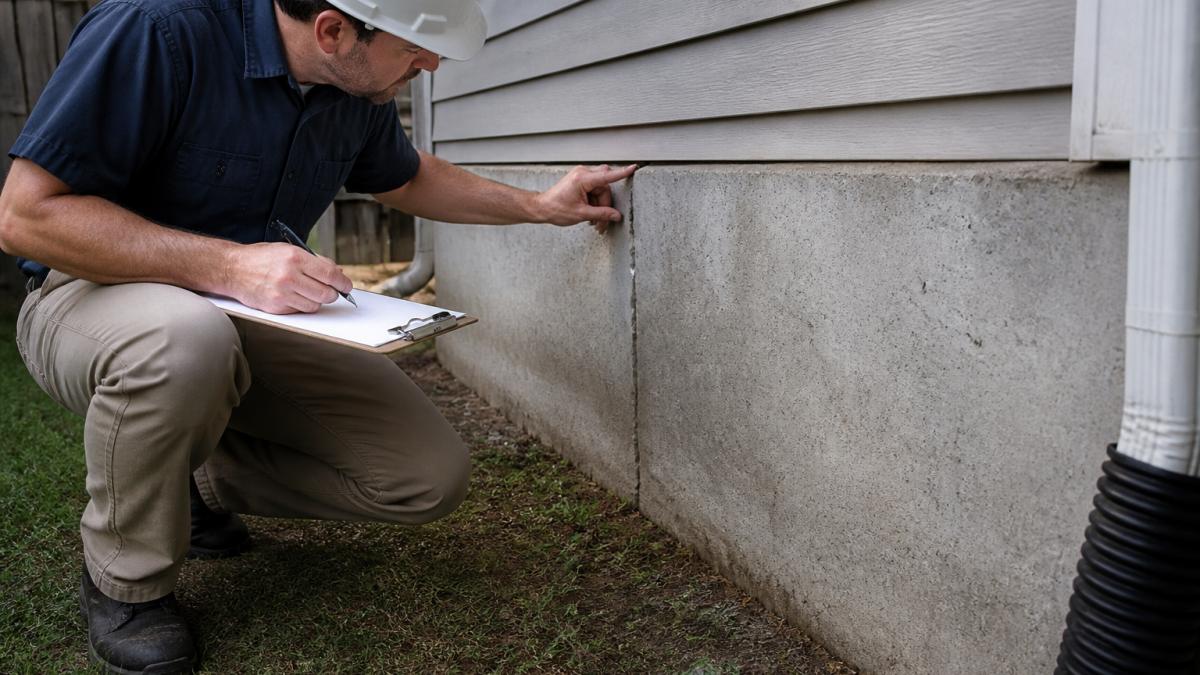
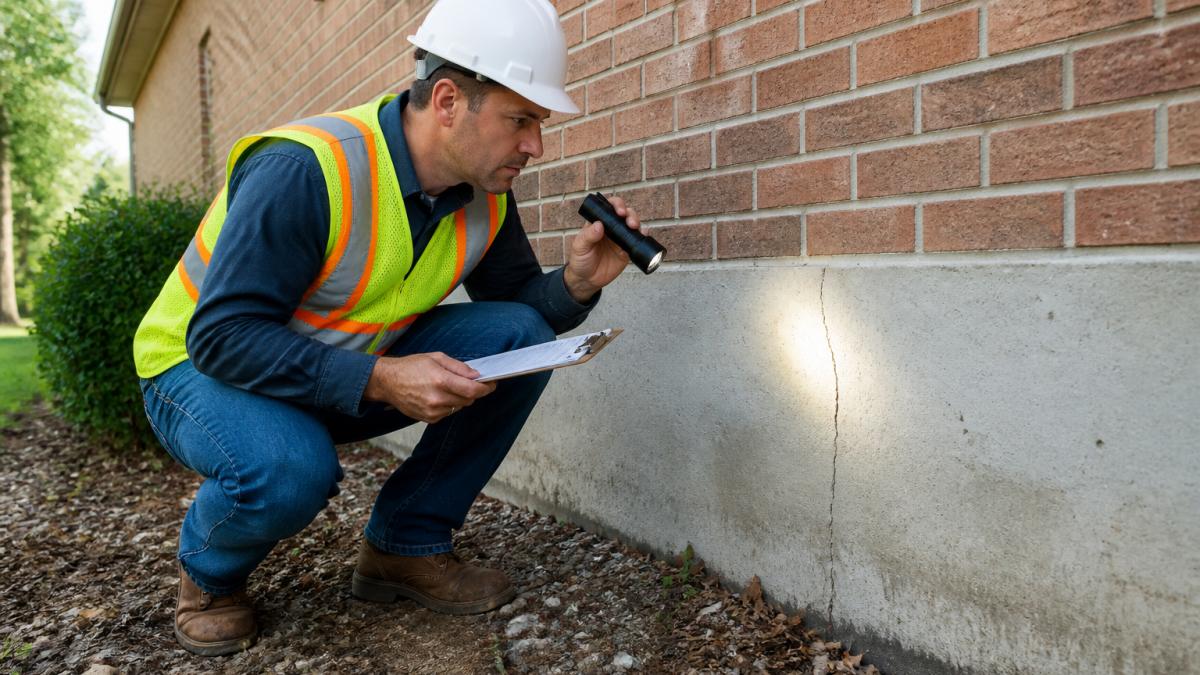
A visual inspection documents what a trained eye can see: cracks, brick veneer gaps, sloping floors, and drainage problems. It is fast but can miss movement that has not yet shown itself.
Professional Foundation Assessment Cost: What Drives the Price
Professional foundation assessment cost is not fixed, but it is not a mystery either. A standalone evaluation from a licensed professional engineer, or a general home inspector's foundation section, or a geotechnical or soil-boring investigation will have varying costs.
Those ranges move based on five variables.
Property Size, Foundation Type, and Site Conditions
Larger homes take longer to survey, and time is the dominant cost driver. A larger slab requires more elevation readings than a smaller pier and beam home, adding to field time.
| Cost Factor | Typical Impact on the Fee | What You Can Do |
|---|---|---|
| Property square footage | Adds $50 to $150 per additional 1,000 sq ft | Nothing, it is fixed |
| Foundation type | Crawl space adds $100 to $250 | Nothing, it is fixed |
| Site access | Blocked perimeter can add an hour of labor | Clear landscaping before the visit |
| Engineered report | Adds $150 to $300 for a licensed PE stamp | Request only if you need it |
| Causation analysis | Often bundled; standalone adds $100 to $200 | Ask upfront if it is included |
| Geotechnical borings | $1,500 to $3,500, quoted separately | Only pursue if the engineer recommends it |
Regional Price Variation
Assessment pricing tracks local labor rates and soil conditions. Markets with expansive clay and high repair volume have more engineers competing, keeping fees moderate even as repair costs climb. Markets with stable soil and fewer specialists see higher fees because the engineer travels further.
What Separates a $400 Report From a $900 Report
The price gap is about scope, not the inspector's hourly rate. Different reports include varying levels of detail, from a visual inspection and limited elevation survey to a full room-by-room elevation survey, a causation analysis tracing movement to drainage, plumbing, or vegetation, a drainage grading evaluation, and a stamped letter suitable for a real estate transaction or insurance claim.
Structural Engineer Foundation Inspection Cost vs. General Inspector Fees
Structural engineer foundation inspection cost runs higher than a general inspector's fee, and the gap is justified. A general home inspector documents visible conditions. A licensed professional engineer can perform a causation analysis, determine whether the foundation meets performance standards, and stamp a report that carries weight in a real estate transaction.
How Long Does a Foundation Inspection Take?
A foundation inspection takes roughly one to three hours for a typical single-family home, depending on size, foundation type, and instrumentation. A basic visual walkthrough can finish in under an hour. A full assessment with a room-by-room elevation survey, plus a crawl space check on a pier and beam home, runs longer.
Free Foundation Inspection vs Paid Assessment: What You're Really Getting
A free foundation inspection is a sales visit. A paid assessment is a diagnostic service. That difference shapes everything about what you receive.
| Free Inspection | Paid Assessment | |
|---|---|---|
| Who pays | Repair company absorbs cost | You pay a service fee |
| Primary goal | Generate a repair quote | Diagnose the condition |
| Measurements included | Sometimes | Yes, elevation survey standard |
| Report ownership | Usually verbal or summary | Full written report |
| Best for | A first look at obvious symptoms | Real estate transactions, second opinions |
Reading Your Inspection Report: Elevation Survey, Causation, and Next Steps
The report is where the real value lives, and where most homeowners get lost. Here is how to read one.
The Elevation Survey Section
Your report will list elevation readings per room or grid point, usually in inches or fractions of an inch relative to a fixed benchmark, typically the highest point on the foundation. Every other reading is reported as a drop from that point.
Engineers commonly look at three things:
- Total deflection. The difference between the highest and lowest points. Engineers commonly look at total deflection, the rate of movement, and localization.
- Rate of movement. A 1.5-inch spread that has been stable for a decade is a very different problem from a 1.5-inch spread that appeared in eighteen months. If your report does not include a prior baseline, ask whether the engineer can recommend a re-survey in six to twelve months to establish one.
- Localization. A spread concentrated on one corner or one side points to differential settlement, which is the pattern most likely to progress. A spread that is roughly even across the home is more often attributable to normal moisture cycling.
The Causation Analysis Section
This section separates a diagnostic report from a sales document. It should name a probable cause, not just describe symptoms. The most common causes in clay-soil regions are:
- Poor drainage. Water pooling against the slab or discharging from gutters too close to the foundation. This is the cheapest cause to fix and the most frequently overlooked.
- Vegetation. Large trees within roughly the height of the tree from the foundation pull moisture out of expansive clay and cause localized shrinkage.
- Plumbing leaks. A slow supply-line or drain leak saturates the soil under the slab and causes heave. If the report mentions a plumbing test, that is a good sign the engineer was thorough.
- Compaction or fill issues. Common in newer subdivisions where the lot was graded with fill that was not adequately compacted.
The Recommendations Section
The recommendations section is a professional opinion about options, not a contract. It typically falls into one of four buckets:
- Monitor. Re-survey in six to twelve months. Appropriate when movement is small and stable.
- Address drainage and moisture. Regrade soil, extend downspouts, adjust irrigation. Often the first step before any structural work.
- Level or underpin. Pier installation or slab leveling. This is where the real money is, and where you should get at least two independent repair estimates.
- Further investigation. Geotechnical borings, a plumbing pressure test, or a second engineering opinion.
What a $600 Report Actually Contains
A comprehensive report includes:
- A cover page with the property address, inspection date, and the engineer's license number
- A plain-language summary of findings
- A diagram or floor plan with elevation readings plotted at each measurement point
- Photographs of observed cracks with a scale reference
- The causation analysis
- A recommendations section with a monitoring or repair timeline
- The engineer's stamp and signature
If your report is missing the elevation diagram or the stamped signature, it will not carry weight with a buyer, a lender, or an insurance adjuster. Ask for both before you pay.
Insurance and Warranty Implications
A paid, stamped assessment is the document most likely to be accepted by a homeowner's insurance carrier for sudden damage, such as a slab leak or plumbing failure that caused foundation movement. Routine settlement from soil moisture cycling is almost universally excluded, so the assessment itself is rarely reimbursable. The report pays off in a real estate transaction: it becomes part of your seller's disclosure and gives the buyer's lender a documented baseline rather than a guess.
Two More Things to Check
First, whether the inspector noted drainage grading and gutter discharge, since water management is the cheapest long-term fix. Second, whether the report references local building codes and permits, which matters if you plan to sell. For disclosure rules in a real estate transaction, check the state real estate commission seller disclosure requirements.
Frequently Asked Questions
What is included in a professional foundation assessment report?
A thorough report from a licensed inspector typically includes a visual inspection of interior and exterior walls, floors, and the foundation itself, an elevation survey measuring floor levelness, notes on soil stability and drainage conditions, identification of cracks or heaving, and a causation analysis explaining what is driving any foundation movement. The report should also state whether issues are cosmetic or structural and recommend next steps. Ask for a sample report before booking so you know what you will receive.
Is there a difference in cost between a general home inspector and a structural engineer?
Yes. A general home inspector covers the whole house and may note foundation concerns, but their foundation evaluation is typically limited to a visual walkthrough. A structural engineer or licensed foundation inspector performs a focused evaluation, often including an elevation survey and causation analysis, which takes longer and requires more specialized equipment. Because the scope and expertise differ, engineer-led assessments generally carry a higher fee than a general home inspection. The trade-off is depth: you get a specific diagnosis rather than a general observation.
Do foundation repair companies offer free inspections?
Many foundation repair companies advertise free inspections as a way to get a technician on site. These visits usually serve as repair estimates rather than independent evaluations. A free foundation inspection vs paid assessment is not the same product: the free version is often a sales consultation, while a paid assessment from an independent inspector or engineer gives you a report you can use to compare multiple repair bids. If you are unsure whether repairs are needed at all, a paid independent assessment is the safer starting point.
How much does a foundation elevation survey cost?
An elevation survey is often bundled into a professional foundation assessment rather than priced separately. When it is itemized, the cost depends on property square footage, foundation type (slab or pier and beam), and whether the inspector needs to return for follow-up measurements. Because pricing varies by provider and scope, request a written quote that clearly states whether the elevation survey, causation analysis, and written report are included. That way you can compare quotes on equal terms.
If I get an assessment, am I required to disclose foundation problems to buyers when I sell?
Disclosure requirements vary by state and by what you know at the time of sale. In many transactions, sellers must disclose known material defects, and a written inspection report can create that knowledge. This does not automatically kill a deal, but it changes how you negotiate. Some sellers use the report to get repair estimates and address issues before listing, which can prevent surprises during the buyer's inspection period. Talk to a real estate attorney about your specific obligations before listing.